




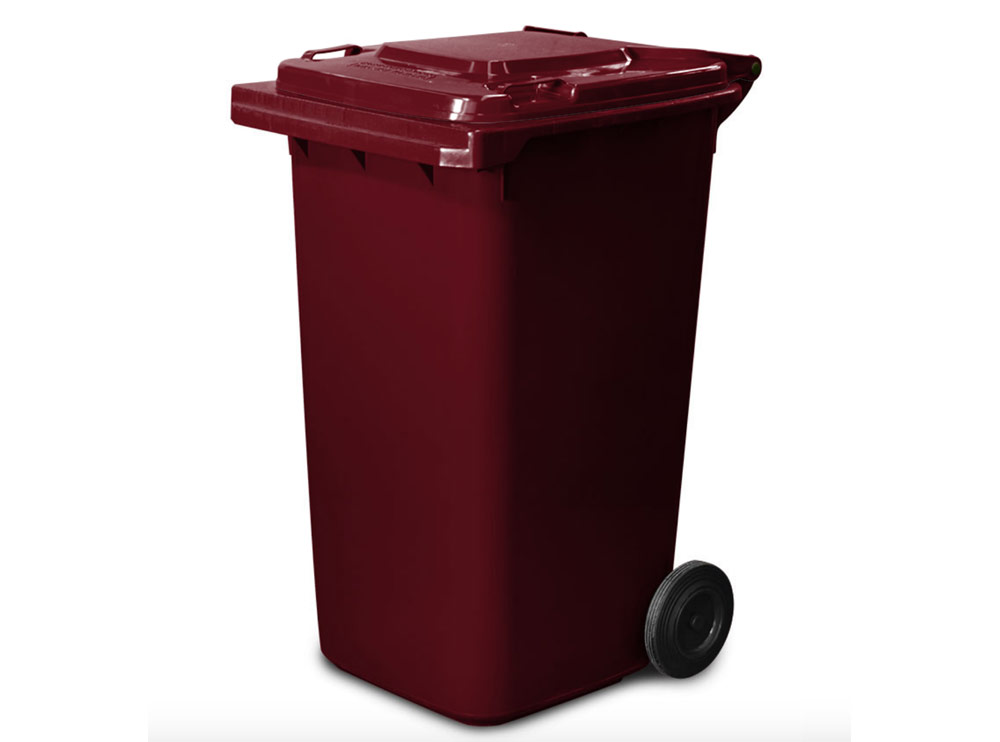
Around 1,200 households across Fairlight, Manly Vale and Terrey Hills will receive a new burgundy bin and a small kitchen caddie from 21 April as the Northern Beaches food waste pilot enters its second phase, testing a dedicated food-only collection system ahead of a statewide 2030 deadline.
The 20-week trial runs until 2 September 2026 and introduces a separate burgundy bin exclusively for food scraps, collected alongside the existing suite of red, yellow, blue and green bins. A smaller bench-top kitchen caddie will help households collect scraps during the week before transferring them to the larger outdoor bin for collection.
How the Pilot Program Will Run
The kitchen caddie is designed to sit on the bench and hold scraps for a few days, keeping the burgundy bin outside until collection day. Residents in the pilot area will receive the bins, compostable liners and an information pack before the trial starts on 21 April.
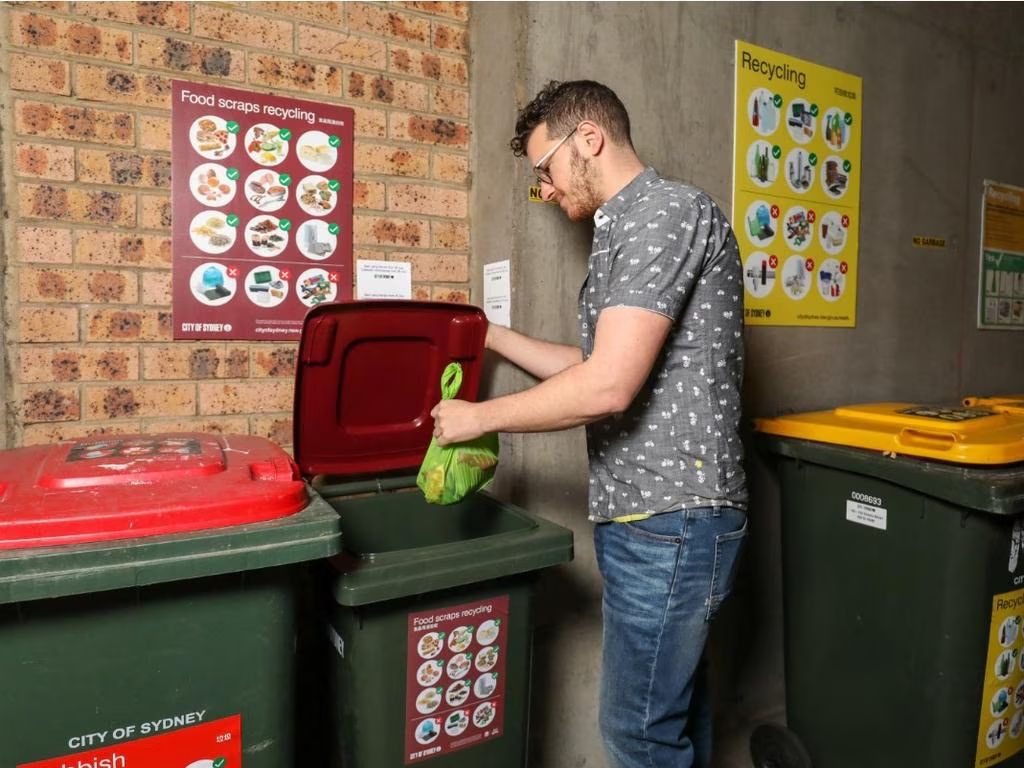
What makes this phase different from the first is the separation of food from garden waste. Phase one, which ran from late October 2025 to March 2026 with around 1,700 households in Dee Why and Cromer, asked residents to add food scraps directly to their existing green garden waste bin for weekly collection. That approach collected approximately 330,000 kilograms of combined food and garden material, which was processed and sent for recycling.
Phase two now tests whether a dedicated food-only bin produces better results, particularly for households that already fill their green bin with garden cuttings and have no room for food scraps. The authority assessing the trial will also look at how well the system works across different housing types, from single homes to unit blocks and granny flats, and will measure resident participation, contamination levels and waste audit data before making a recommendation on the long-term system for the entire Northern Beaches.
The Push Behind Food Waste Reform
Nearly half of everything currently going into red bins on the Northern Beaches is food waste. That figure matters for two reasons. First, organic material rotting in landfill produces methane, a potent greenhouse gas, meaning food scraps in the red bin carry a significant emissions cost. Second, Greater Sydney’s landfill capacity is expected to reach its limit by 2030, with food and garden organics accounting for a large share of the space currently being consumed.
NSW became the first Australian state to legislate a statewide mandate for food and garden organics recycling, passing laws requiring all residential properties to have a food waste collection service by July 2030. The Northern Beaches pilot is running now to ensure the area’s rollout is designed with local conditions in mind, rather than applying a one-size-fits-all approach to the diverse mix of housing types across the peninsula.
The food waste collected through these trials is processed into compost for NSW farmers and agricultural land, completing a cycle from household scraps to productive use.
Preparing Households for the Next Phase
Households selected for the trial have been notified directly. If a burgundy bin and kitchen caddie arrive at your door during the week before 21 April, you are in the pilot. Residents not included in this phase continue using their current bin arrangement as normal.
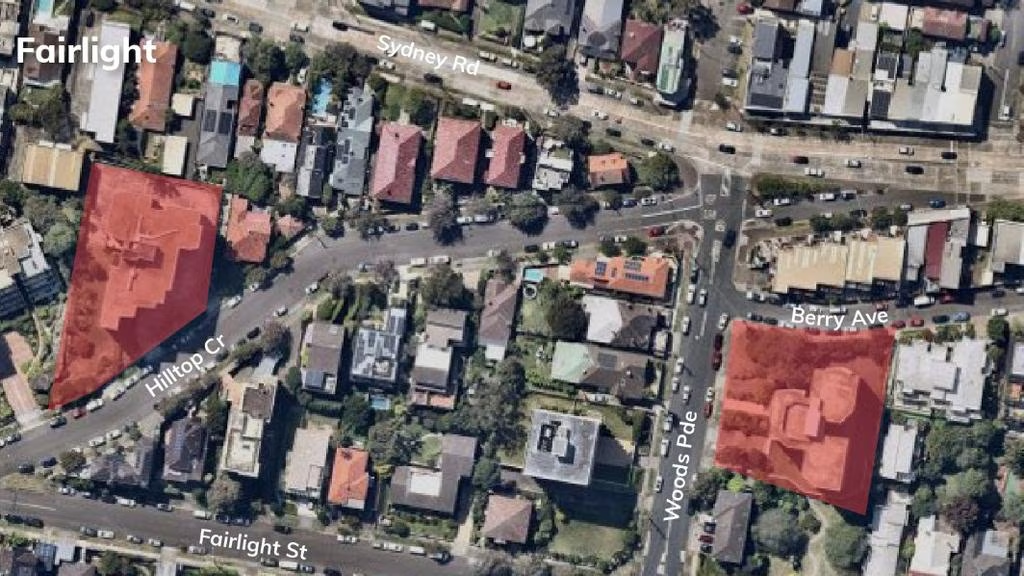
At the conclusion of the 20-week trial, the results of both phases will be assessed together to determine which approach works best for the Northern Beaches community before a permanent food waste service is designed for the whole area.
For more information on the pilot, to check whether your address falls in the trial zone, or to access upcoming waste reduction webinars and workshops, click here. General enquiries can be directed to Northern Beaches on 02 9942 2111 and 1300 434 434.
Published 02-April-2026


