




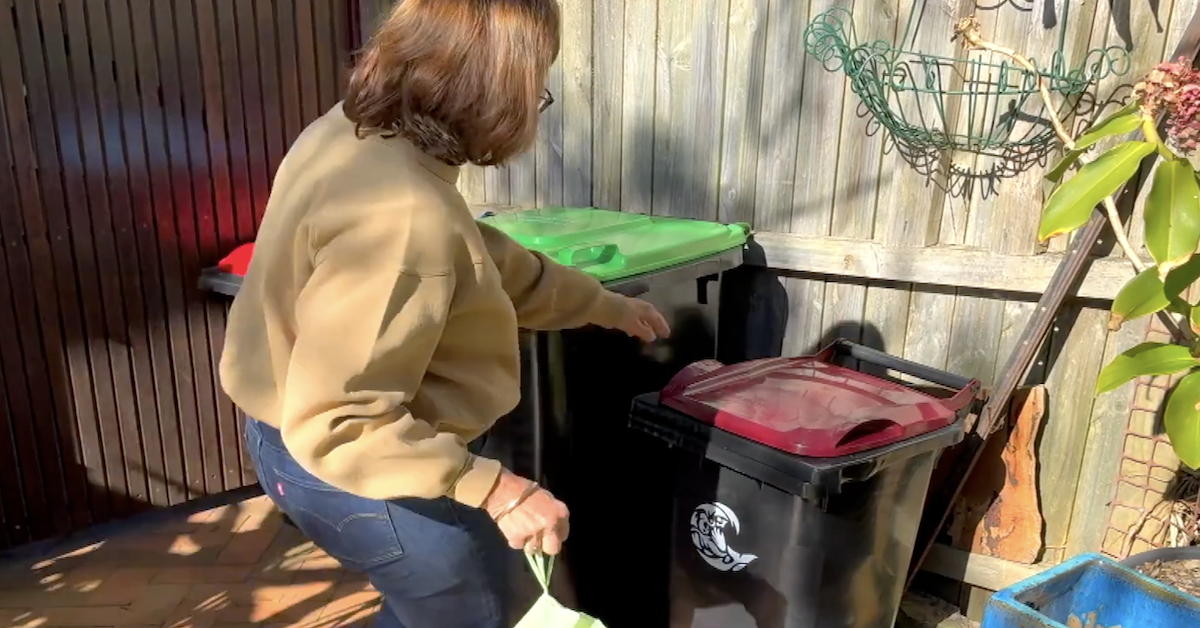
Fairlight’s burgundy food-waste bins have disappeared from local kerbs after a five-month trial testing one possible approach to household food collection across the Northern Beaches.
The final collection in Fairlight and Manly Vale took place on 2 September, while the resident survey closed on 20 September. Around 1,200 households across selected parts of Fairlight, Manly Vale and Terrey Hills participated in the second phase, separating food scraps into a dedicated burgundy-lidded bin for weekly collection.
Burgundy bins leave the kerb
What happened to the burgundy bin after the trial depended on the type of property. Council removed the bins from single-unit dwellings, while burgundy lids at multi-unit dwellings were swapped back to red. Removed bins were to be cleaned and reused, with the burgundy lids returned to the supplier for recycling. Residents could keep their kitchen caddies and remaining compostable liners.
Council has reported that significant volumes of food collected during the second phase were processed into agricultural compost, green electricity and soil-improver pellets.
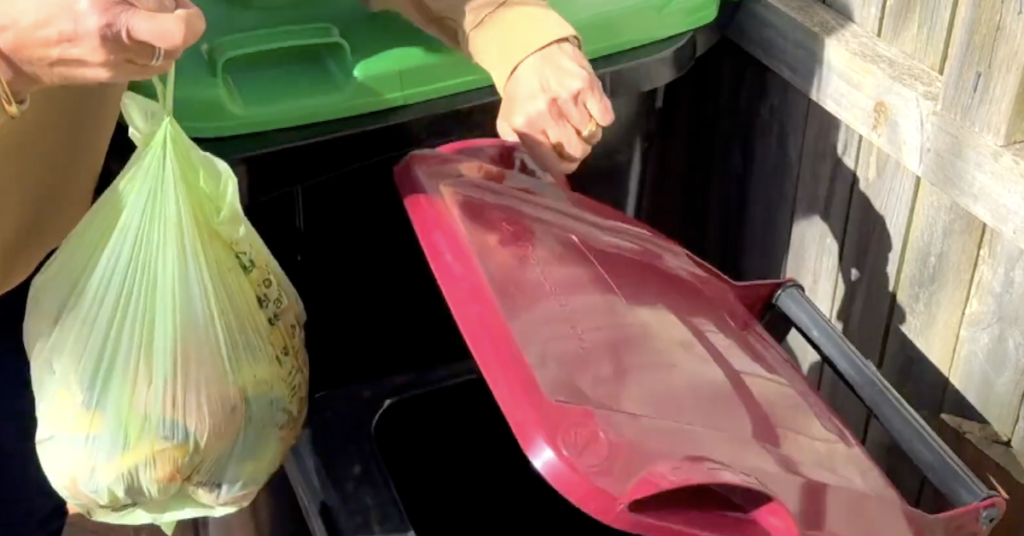
Fairlight tested a different bin
Fairlight’s experiment formed the second half of a broader trial comparing different ways of separating food from general household rubbish.
Phase 1 ran from late October 2025 to March 2026 in selected parts of Cromer and Dee Why. About 1,700 households placed food scraps in their existing green garden-waste bins for weekly collection. Around 330 tonnes of combined food and garden waste were collected during the phase.
Fairlight, Manly Vale and Terrey Hills then tested a food-only system, keeping scraps separate from both general rubbish and garden vegetation. Properties across the wider pilot included single houses and low, medium and high-density units, allowing Council to examine service challenges, contamination and food-waste diversion across different housing types.
Almost half the red bin
Council estimates food waste makes up about 48 per cent of material in household red bins on the Northern Beaches. During Phase 2, participating households could place cooked and raw scraps, expired food, meat, dairy products and bones into the burgundy bin instead of general rubbish.
Households received kitchen caddies and compostable liners, with the burgundy bin collected weekly alongside the existing red-bin service. Food separated through the trial was sent for processing rather than landfill.
A bigger change is coming
The end of Fairlight’s trial comes ahead of a statewide change to household food-waste collection.
NSW legislation requires councils to provide households receiving a residual red-lid waste collection service with a Food Organics and Garden Organics service from 1 July 2030, subject to specified exemptions. The mandate is intended to divert more food and garden material from landfill and into organics processing.
Northern Beaches Council says its new service will begin before the state deadline. Residents’ experiences during the pilot, together with cost analysis and available processing options, will inform the design of the permanent service.
The decision still ahead
Council set out to examine participation, contamination, waste audits and supplier feedback during the trials, while the final Phase 2 survey collected residents’ experiences with the food-only service.
As of late September, detailed Phase 2 results had not been published and Council had not announced what collection model would underpin the permanent service.
Published 30-Sept-2026


